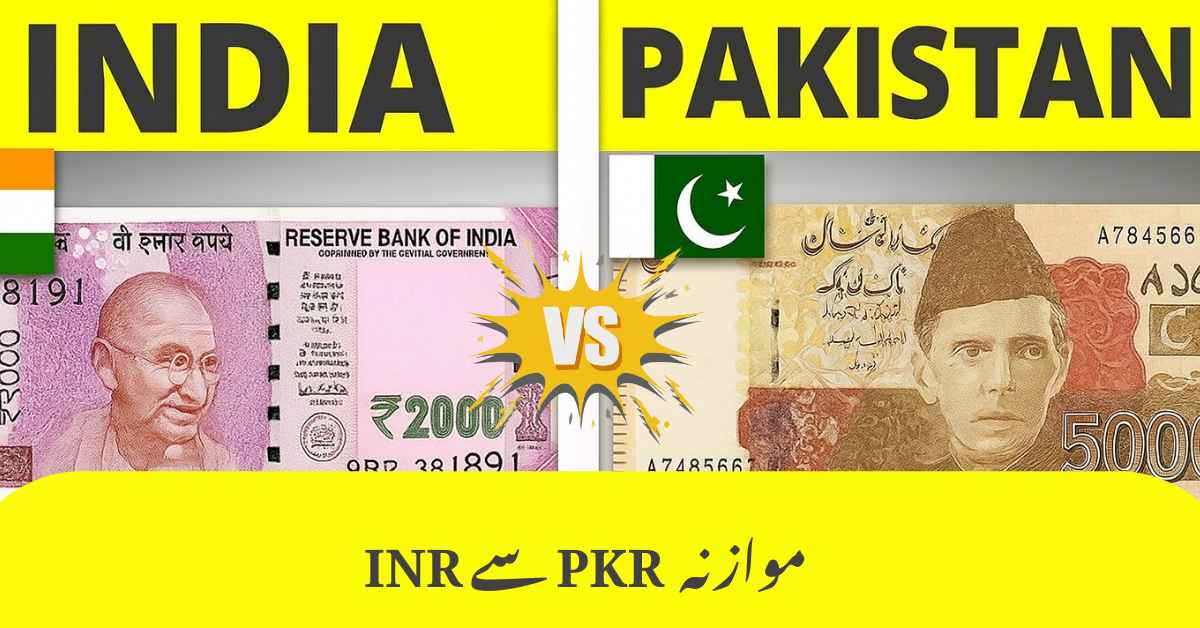
Pakistan is moving forward with a major currency note redesign in 2026. The federal cabinet has approved updated designs for key denominations, aiming to improve security, modernize appearance, and protect the economy from counterfeit currency. A special committee has been formed to finalize note designs, colors, and security features.
Stage of Redesign and Approval:
The redesign of numerous high-use currency notes was authorized by the Federal Cabinet of Pakistan, which was led by Shehbaz Sharif, in January 2026. This is the most significant currency update in decades. The new notes are designed to be more secure, difficult to forge, and in accordance with contemporary standards.
The procedure comprises the following:
- Finalizing security features and designs.
- After cabinet confirmation, notes that have been authorized are printed.
- To prevent disruptions in banks and enterprises, circulation should be gradual.
Denominations Included:
High-usage denominations are the primary focus of the current approval:
- Rs. 100
- Rs. 500
- Rs. 1,000
- Rs. 5,000
The Rs. 5,000 note will continue to circulate, contrary to rumors of discontinuation. Lower denominations such as Rs. 10, 20, and 50 were previously considered but are not included in this phase.
Reasons for Redesign:
The primary goals of the redesign are as follows:
- Prevent the proliferation of counterfeit goods and safeguard the economy.
- Ensure that documents are more durable.
- Implement contemporary security features.
- Demonstrate the current national image of Pakistan.
Security Enhancements:
The notes will be redesigned to incorporate contemporary anti-counterfeiting tools, including:
- Security strands that are embedded
- Watermarks with multiple layers
- UV-reactive pigments
- Microtext printing
- Elements that change color
The public, businesses, and institutions will find it simpler to verify currency with the assistance of these features.
Polymer Notes: Current Status
Final approval is still pending, but polymer (plastic-based) notes are currently being considered. Polymer notes are distinguished by their resistance to water and abrasion, their extended lifespan, and their difficulty in counterfeiting. Depending on official decisions, Pakistan may employ a combination of polymer and paper currency.
Design Themes:
Security is not the sole focus of the redesign. Themes that have been suggested include:
- Mountains, rivers, and deserts comprise natural landscapes.
- Historical landmarks and cultural heritage
- Women’s contributions to society
- Sustainable development and climate awareness
- A national identity that is forward-thinking
These designs are intended to represent a Pakistan that is both modern and self-assured.
Expected Timeline for New Notes:
| Stage | Timeframe |
|---|---|
| Final design approval | Q1 2026 |
| Start of printing | Mid 2026 |
| Public circulation | Late 2026 |
In order to guarantee a seamless transition, notes will be progressively distributed to ATMs and banks.
What Will Happen to Old Notes?
- Old notes will remain valid during the transition period.
- For an extended period of time, both new and old notes will be exchanged.
- A gradual introduction enables the public, businesses, and banks to acclimate.
There is no need for concern or alarm, and no immediate exchange is necessary.
What This Means for Citizens?
- As is customary, continue to utilize the current notes.
- New designs will be gradually implemented in ATMs and institutions.
- Over time, the public will gradually become aware of the new bills in their daily transactions.
Conclusion:
The Pakistan currency notes redesign 2026 represents a significant step toward a modern, secure, and internationally standard currency. The new notes will enhance safety, reduce counterfeiting, and reflect Pakistan’s evolving identity, while ensuring a smooth transition for the public and businesses.
Frequently Asked Questions:
Who approved the redesign of Pakistan’s currency notes?
The redesign was approved by the Federal Cabinet of Pakistan after review by the State Bank of Pakistan. A special committee is overseeing designs, security features, and the rollout process.
Will the old currency notes remain valid?
Yes. All existing notes will continue to be valid during the transition period. Both old and new notes will circulate together for several years, allowing people to adjust without any immediate exchange.
Which denominations are included in the 2026 redesign?
The redesign currently focuses on high-usage denominations: Rs. 100, Rs. 500, Rs. 1,000, and Rs. 5,000. Lower denominations such as Rs. 10, 20, and 50 are not part of this phase.