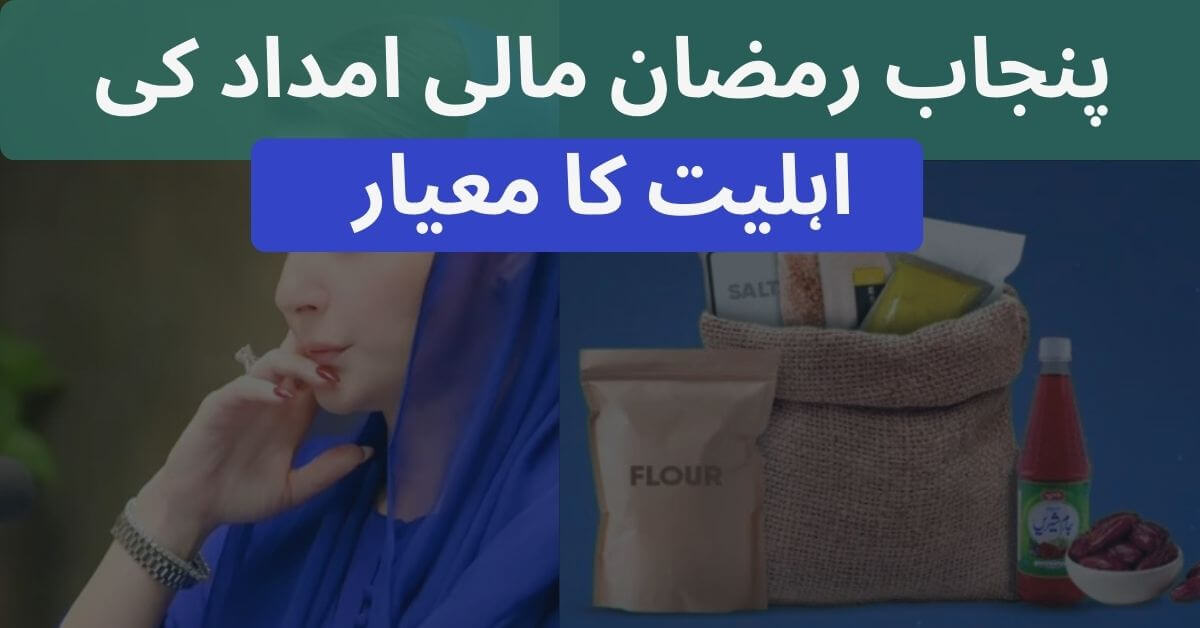
Punjab Ramazan Financial Aid Eligibility Criteria 2026 The Punjab government has officially set a monthly income limit of Rs 45,000 to be eligible for the Nigehban Ramzan Package. This is part of a huge effort to help low-income families during the holy month of Ramadan.
Azma Bokhari, the Minister for Information and Culture of Punjab, said that the provincial government has set aside Rs. 47 billion for a Ramadan relief program in 2026. This program will help about 4.2 million people in Punjab who deserve it.
Direct Relief Through Nigehban Ramzan Cards:
At a news conference at the DGPR, Azma Bokhari said that financial aid would be sent directly to recipients through Nigehban Ramzan Cards, which would ensure a respectful, clear, and door-to-door delivery system. The deal is for families whose monthly income is less than Rs 45,000.
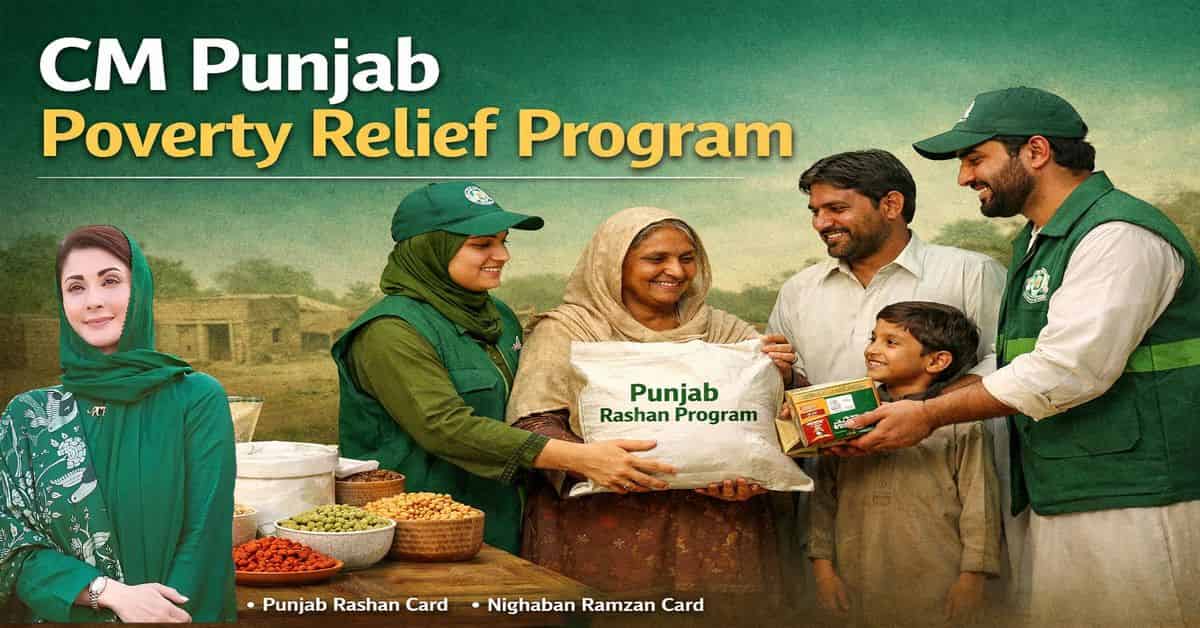
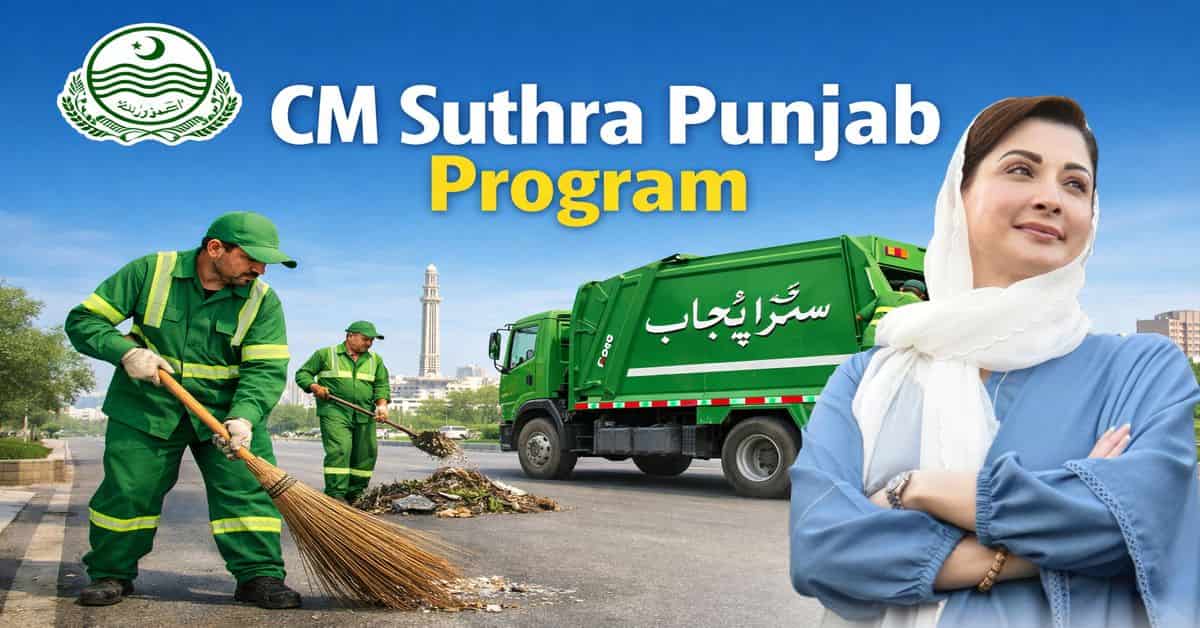
She also said that people with a Maryam Nawaz Rashan Card, such as laborers and people working under the Suthra Punjab Program, would get extra help during Ramadan.
Maryam Nawaz Rashan Card Amount Increased to Rs 10,000
The minister made big news of relief: the amount on the Maryam Nawaz Rashan Card has been raised from Rs 3,000 to Rs 10,000. This will help families better handle their food costs during Ramadan.
Officials say that this year’s extra help will benefit about 1.2 to 1.4 million people who have a Rashan Card. This includes cleaning workers, miners, and laborers.
Ramazan Dastarkhwan in Every Tehsil:
Azma Bokhari also said that “Nigehban Ramzan – Maryam Ke Mehman Dastarkhwan” would be started in every tehsil of Punjab. As part of this plan:
- They will feed at least 2,000 people for free every day.
- Large parks, churches, and other public places will be used.
- Commissioners and assistant commissioners will be in charge of overseeing the plans.
- Punjab Food Authority teams will check the quality of the food.
Who is eligible for Punjab Ramazan financial aid?
Families in Punjab with a monthly income below Rs 45,000 qualify for financial assistance under the 2026 Ramazan program. Eligibility ensures support reaches low-income households through Nigehban Ramzan Cards and other welfare initiatives.
Sahulat Bazaars to Convert Into Ramazan and Eid Bazaars:
The minister stated that 65 Sahulat Bazaars are already open in 30 districts. These bazaars will be changed into Ramadan Bazaars five days before Ramadan and then into Eid Bazaars before Eid.
The rest of the areas will get temporary solutions right away, and modern, long-term Sahulat Bazaars should be finished all over Punjab by June 2026. She also said that 15 Sahulat Bazaars already offer free home delivery, which helps about 300,000 people, and that the Nigehban Ramzan Card will soon be linked to the home delivery service.
Benefits:
- Direct Cash Assistance for Eligible Families: This program makes sure that families making less than Rs 45,000 a month get the money they need on time so they can pay for things they need during the holy month of Ramadan.
- Enhanced Rashan Card Benefits: The Maryam Nawaz Rashan Card amount has been raised from Rs 3,000 to Rs 10,000. This will help low-income families, like those whose members work in construction or cleaning, buy healthy food and basic household items.
- Clear and Respectful Delivery System: Nigehban Ramzan Cards make sure that packages are delivered door-to-door, cutting out middlemen and protecting the recipients’ privacy.
- Access to Subsidized Essentials: Families who meet the requirements can buy important things like flour, ghee, sugar, and lentils at lower prices. This protects their food security and stops price gouging.
- Community Iftar and Welfare Programs: Families who are eligible can get help from Ramazan Dastarkhwans in every tehsil. Every day, these volunteers help thousands of people, bring people together, and encourage religious practice.
- Integration with Modern Relief Infrastructure: Families who are eligible can connect to Sahulat Bazaars, home delivery systems, and other government welfare programs. This gives them ongoing help and makes them less vulnerable to market changes or emergencies.
Organization URL (Recommended): https://www.punjab.gov.pk
Are community iftars part of the assistance program?
Yes, the “Nigehban Ramzan – Maryam Ke Mehman Dastarkhwan” program provides free iftar daily in each tehsil, serving thousands of people in public spaces and promoting community welfare.
Subsidized Essentials and Zero Tolerance Policy:
As part of the Ramadan aid package, basic food items like
- Flour
- Ghee
- Sugar
- Pulses
rates will be lowered for some people. Azma Bokhari stressed that the Punjab government has a strict policy against hoarding and selling and that prices and supplies are constantly being watched to make sure that people can keep getting help.
PSER Survey Near Completion:
The minister talked about data-driven targeting and said that 94% of the Punjab Socio-Economic Registry (PSER) study was completed. The last two areas, Lahore and Rawalpindi, will be finished by February 5. The door-to-door study collects information on widows, special needs people, and children to make sure that aid goes to the right people.
How does Punjab ensure fair distribution of aid?
The Punjab Socio-Economic Registry survey identifies genuine beneficiaries, while local authorities and monitoring teams oversee delivery, preventing hoarding or misuse and ensuring targeted, equitable support for deserving families across the province.
Check Also: CM Punjab Expands Himmat Card Program – Rs. 10,500 Quarterly Aid for Disabled Citizens
Broader Governance and Emergency Response:
Azma Bokhari also talked about how Punjab has improved its emergency response, citing the Murree snow emergency and the Indigo Plaza fire as examples of how modern equipment and trained teams helped avoid major tragedies with their quick five-minute response times.
She said that Maryam Nawaz had started a number of important public charity projects, such as
- Package for Nigehban Ramzan
- Program for Suthra Punjab
- Medicines are delivered to your door for free.
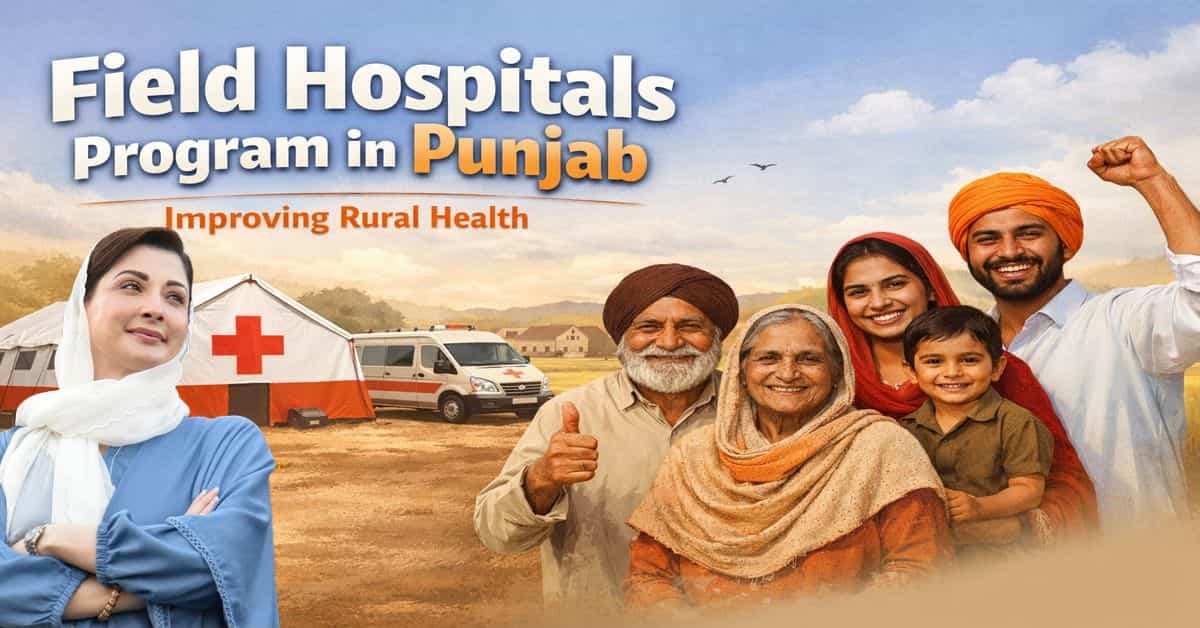
- Clinics and hospitals on wheels for the field
- Plan to Reduce Smog
That these plans are for the good of everyone, not for political gain, was what she stressed.
Conclusion:
The Punjab government has taken a big step toward making sure that families who deserve it get focused and respectful help by announcing a Rs 45,000 income threshold as part of the Nigehban Ramzan Package. The 2026 Ramadan relief package aims to help millions of people across the state by giving them direct cash aid, subsidized food items, bigger Ramadan bazaars, and plans for community iftar.